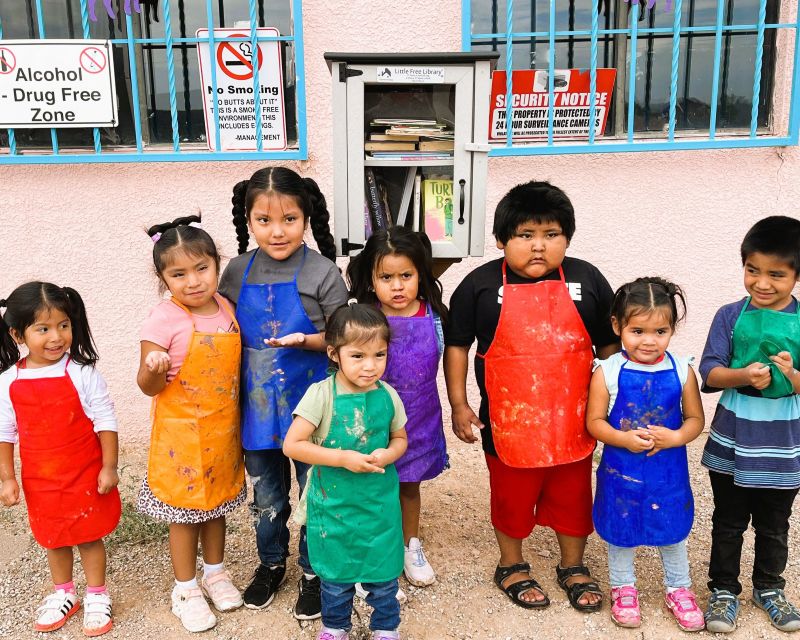
A new study on the Tohono O’odham Nation offers rare research into how expanding access to books can influence reading in Indigenous communities—and the results are striking.
The study found that Little Free Library’s Indigenous Library Program significantly increases access to books, helps overcome major transportation barriers, and supports more frequent reading among families and children.
Among the findings:
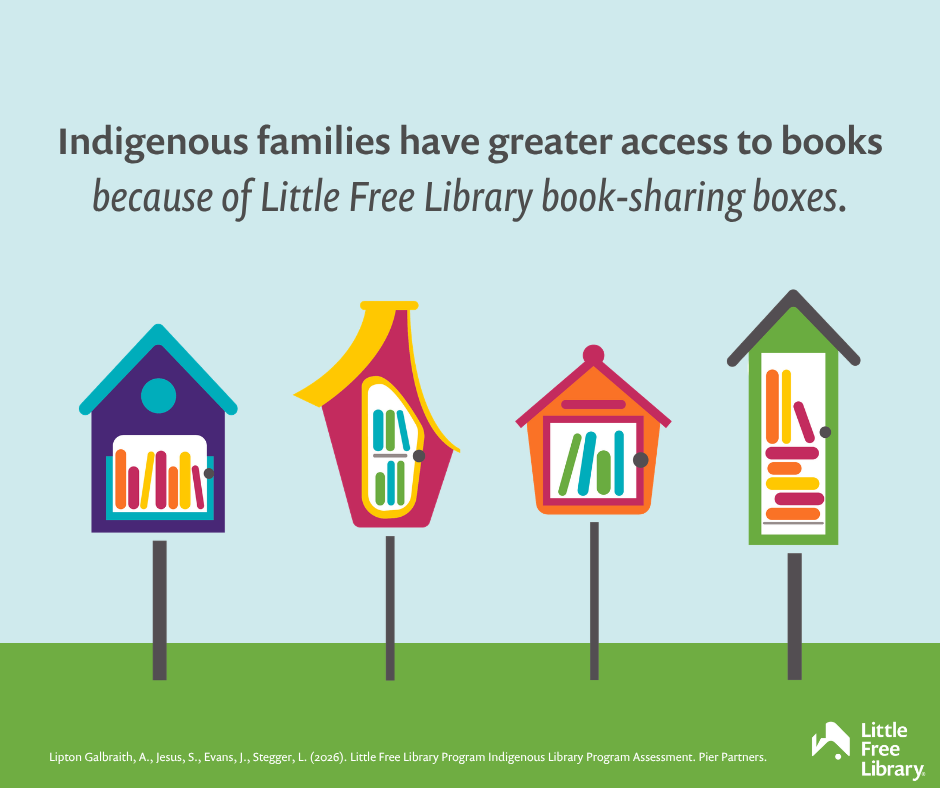
- 89% of respondents say they have access to more books because of Little Free Library book-sharing boxes
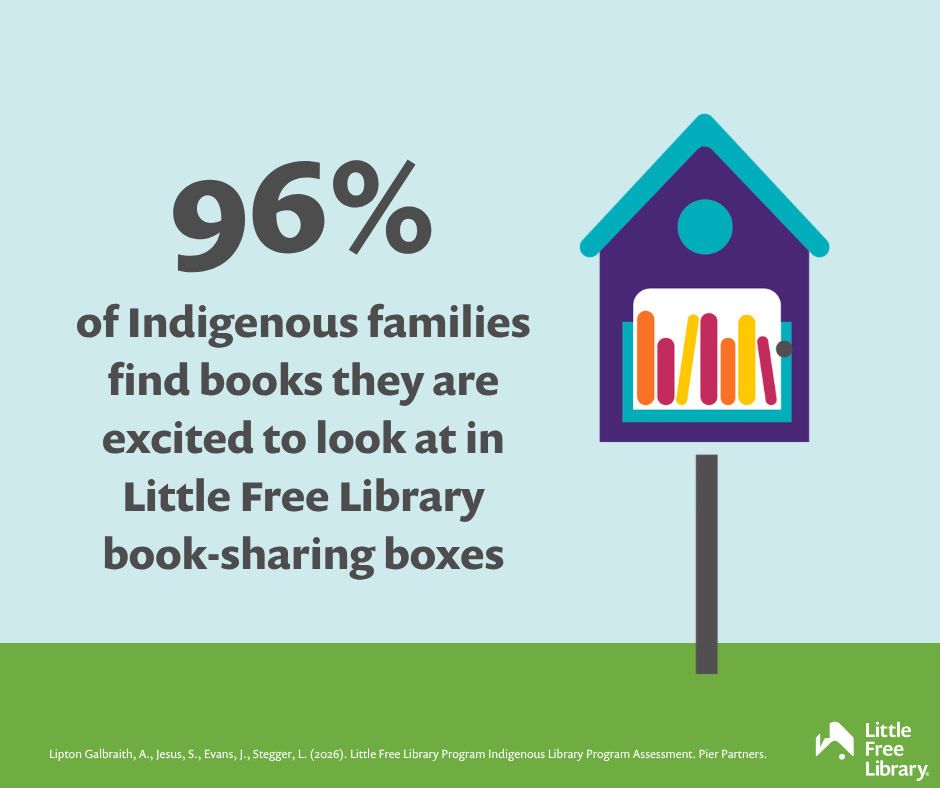
- 96% find books they are excited to read
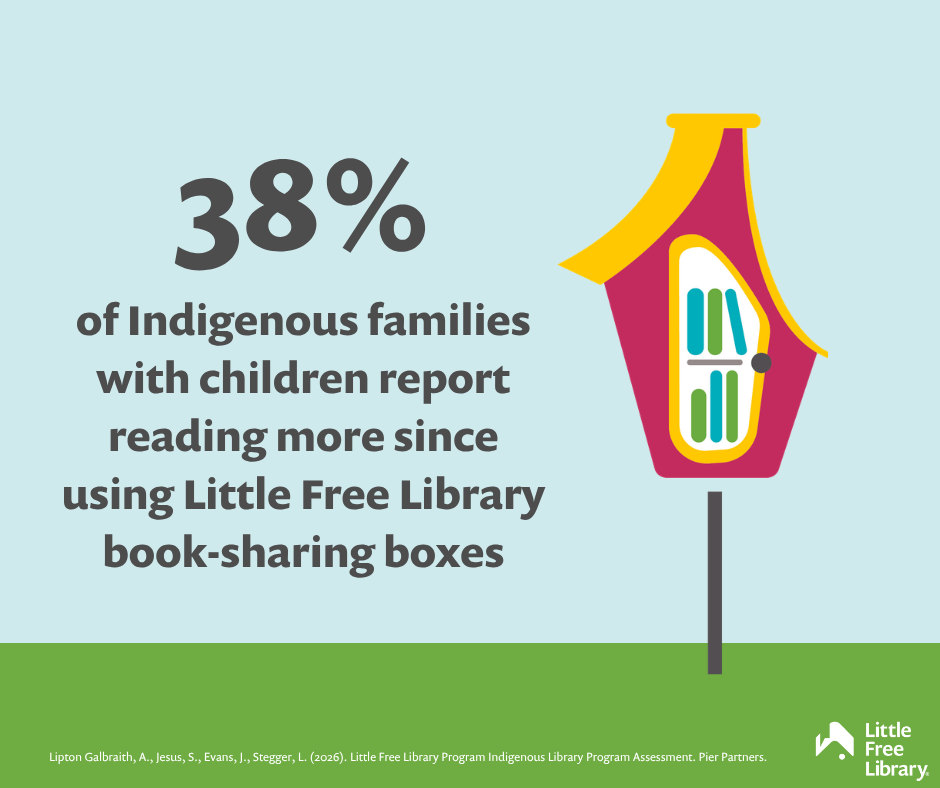
- 38% of families with children report reading more since using the book boxes
- The book boxes reduce the average distance families must travel to access books by approximately 68 miles, avoiding an estimated $40 in transportation costs per trip to an off-Nation public or school library
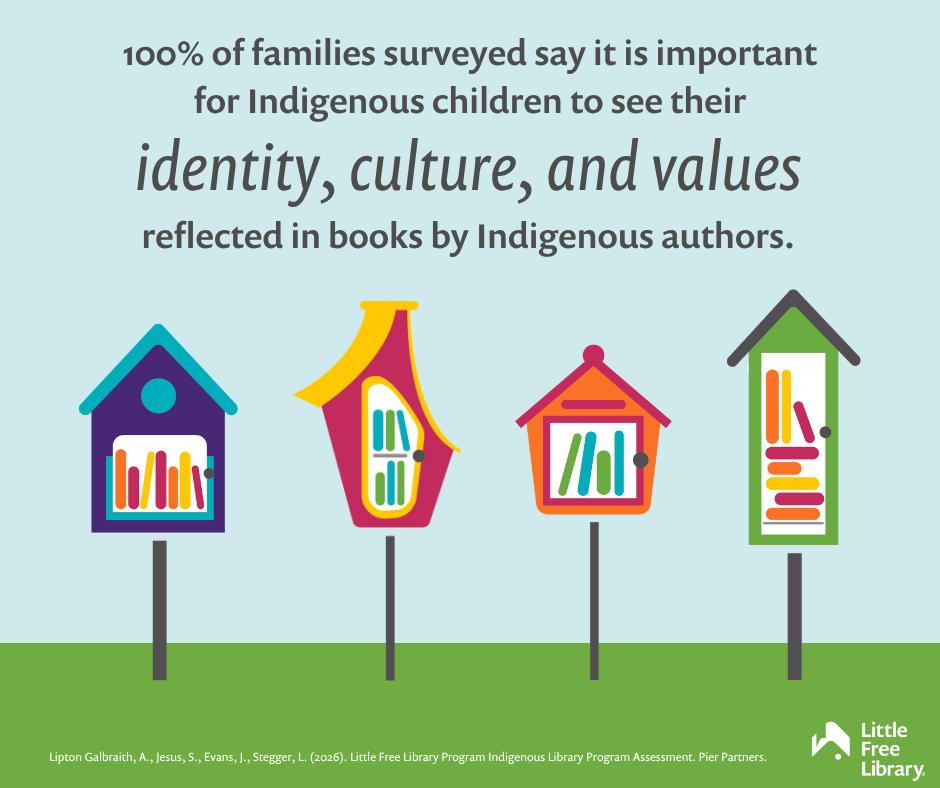
- 100% of families surveyed say it is important for Indigenous children to see their identity, culture, and values reflected in books by Indigenous authors
The findings are particularly significant because research evaluating efforts to improve book access in Indigenous communities is limited. Existing research has documented persistent barriers, including underfunded and understaffed Indigenous libraries and a lack of culturally aligned books, but few studies have examined the impact of interventions designed to address those barriers.
Jordan Evans, CEO and Executive Director of the Native American Advancement Foundation (NAAF), and a member of the Tohono O’odham Nation, said access to culturally relevant stories is especially meaningful for children in the community.
“Any time we can weave in Native literature, it instills a sense of pride in the children,” Evans said. “And that pride transcends into so many other success stories—whether it be education, whether it be prevention. The building of that pride is something we want to do everything we can to contribute towards. These stories of relatable characters and these authors who have gone on to do creative, wonderful things—they really help.”
The research provides new evidence of the positive influence easier access to relevant, engaging books can have on families’ reading habits.
“This study gives us something that has been missing: evidence of what happens when families in Indigenous communities have convenient access to books that speak to their lives, cultures, and identities,” said Daniel Gumnit, CEO and Executive Director of Little Free Library (LFL). “When we remove barriers to books, families read more. We’re grateful to the Tohono O’odham Nation and the Native American Advancement Foundation for helping us better understand the impact of this work and how we can do more.”
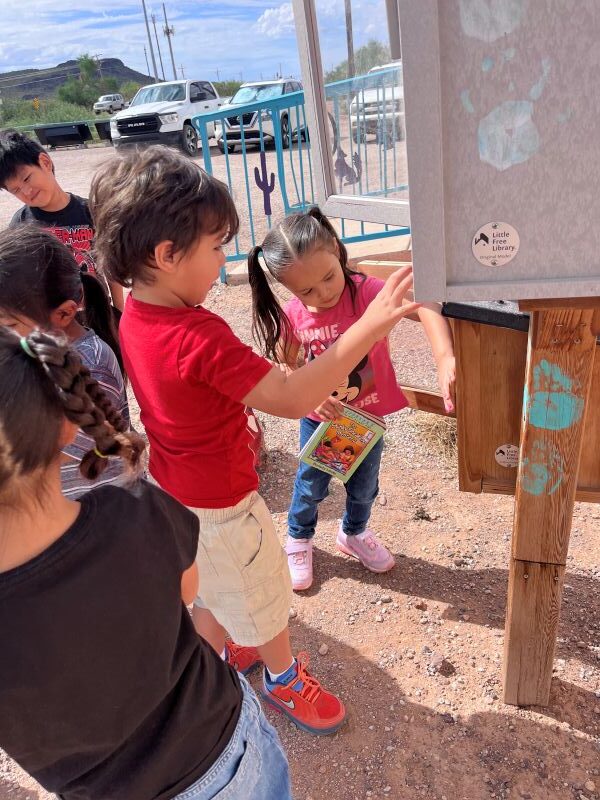
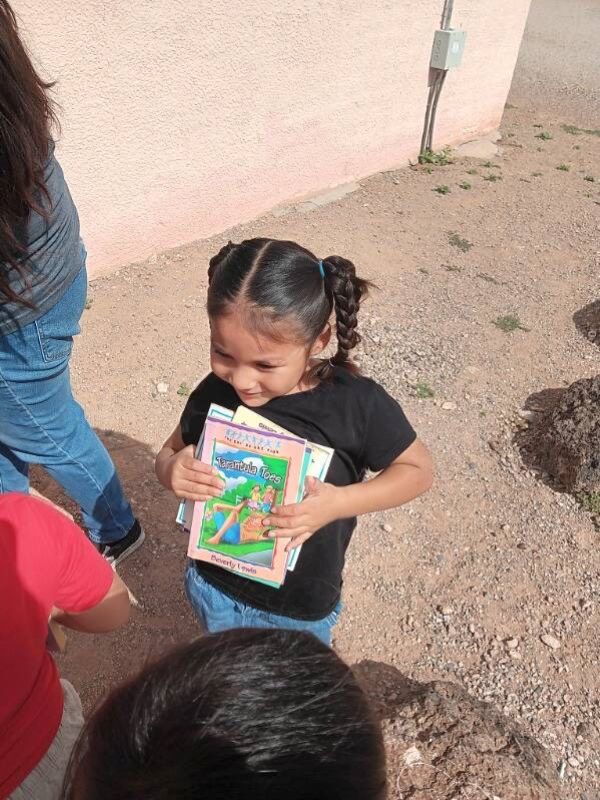
Bringing Books Closer to Home
The Tohono O’odham Nation encompasses a vast, rural area in southwestern Arizona and Mexico, with some community members living as far as three hours from the nearest public library. Travel distance and transportation challenges are among the primary barriers to accessing books.
NAAF began working with LFL in 2023 in response to requests from members of the Tohono O’odham Nation for greater access to books. Through Little Free Library’s Indigenous Library Program—which grants Little Free Libraries and books to Indigenous communities in the United States and Canada—NAAF has received 13 no-cost Little Free Library book-sharing boxes and more than 600 books, along with funding to purchase additional books. The collections include books showcasing contemporary Indigenous cultures and experiences, written by Native authors.
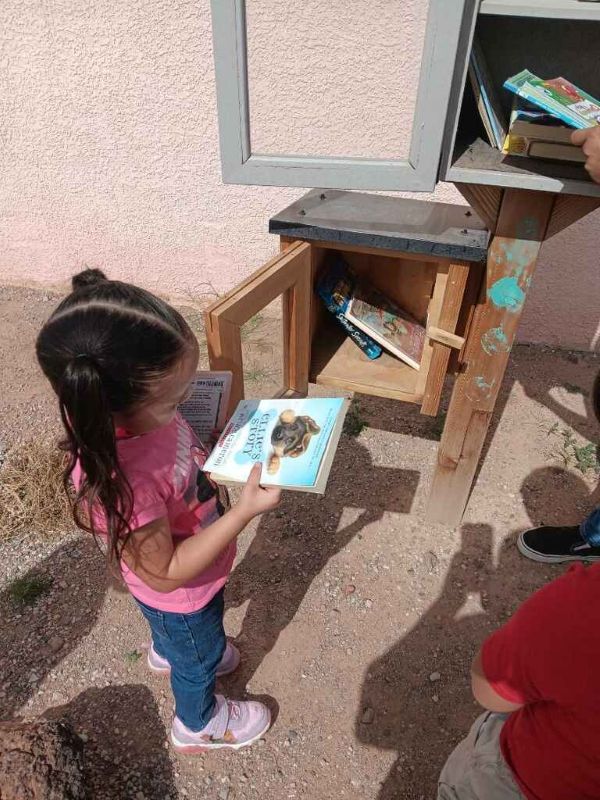
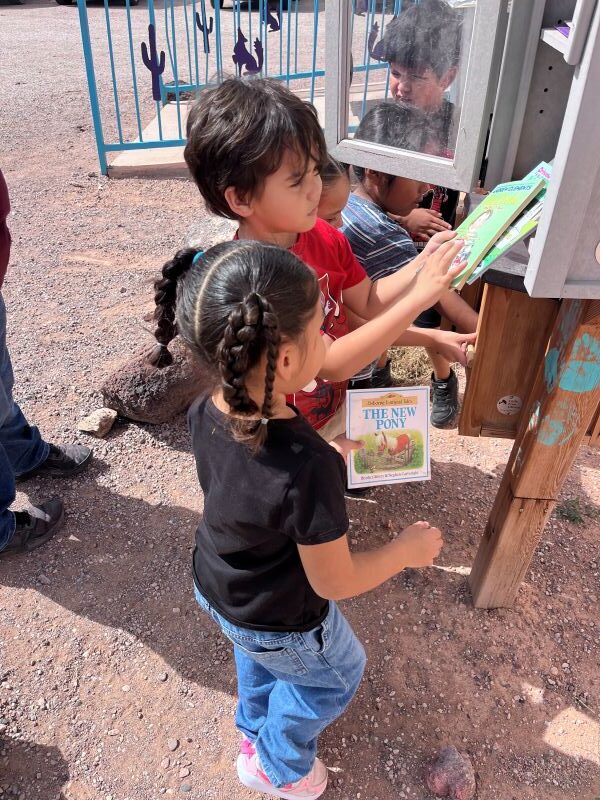
The Little Free Libraries are placed where community members already go—including schools, recreation centers, a central community store, and a gas station. The study found that this approach reduces the average distance families must travel to access free books by approximately 68 miles.
“I like that books are now readily available,” said one member of the Tohono O’odham Nation. “There is a book box within walking distance of my house that makes it easy for me to get books…. When my grandchildren come to my house, I read a book to them. This is quality time we spend together.”
Greater Access Leads to More Reading
The research indicates that easier access to books is translating into changes in reading behavior. More than one-quarter of all families surveyed reported reading more since using the Little Free Libraries; among families with children, that figure rose to 38%. Families whose children used the book boxes were also more likely to read together weekly than families whose children did not.
Community members expressed strong interest in expanding the program, including adding more Little Free Libraries, providing more books for children and teens, and increasing the availability of books by Indigenous authors and materials in the O’odham language.
The observational study included 145 adult residents of the Tohono O’odham Nation and was conducted from December 2025 through May 2026. Surveys were administered by NAAF staff who are enrolled members of the Nation and were offered in English and the O’odham language. The research was conducted with approval from the Tohono O’odham Nation Institutional Review Board and District Council. Read the full report here.
Apply for an Indigenous Library Program Grant
LFL invites those living in Indigenous communities or organizations that serve or work with Indigenous communities to submit an application to receive a Little Free Library, installation materials, and starter set of books at no cost. Apply at LittleFreeLibrary.org/Indigenous.
LFL also actively seeks funding to make the Indigenous Library Program an ongoing success.
“We’ve seen how meaningful these Little Free Libraries can be for Indigenous communities—bringing books closer to home, creating welcoming places to gather and share, and putting more Indigenous stories into readers’ hands,” said Talia Miracle, Indigenous Library Program Manager at LFL. “With the support of our partners and funders, we can bring that experience to many more Native American and First Nations communities.”
Video interview with Talia Miracle and Jordan Evans: